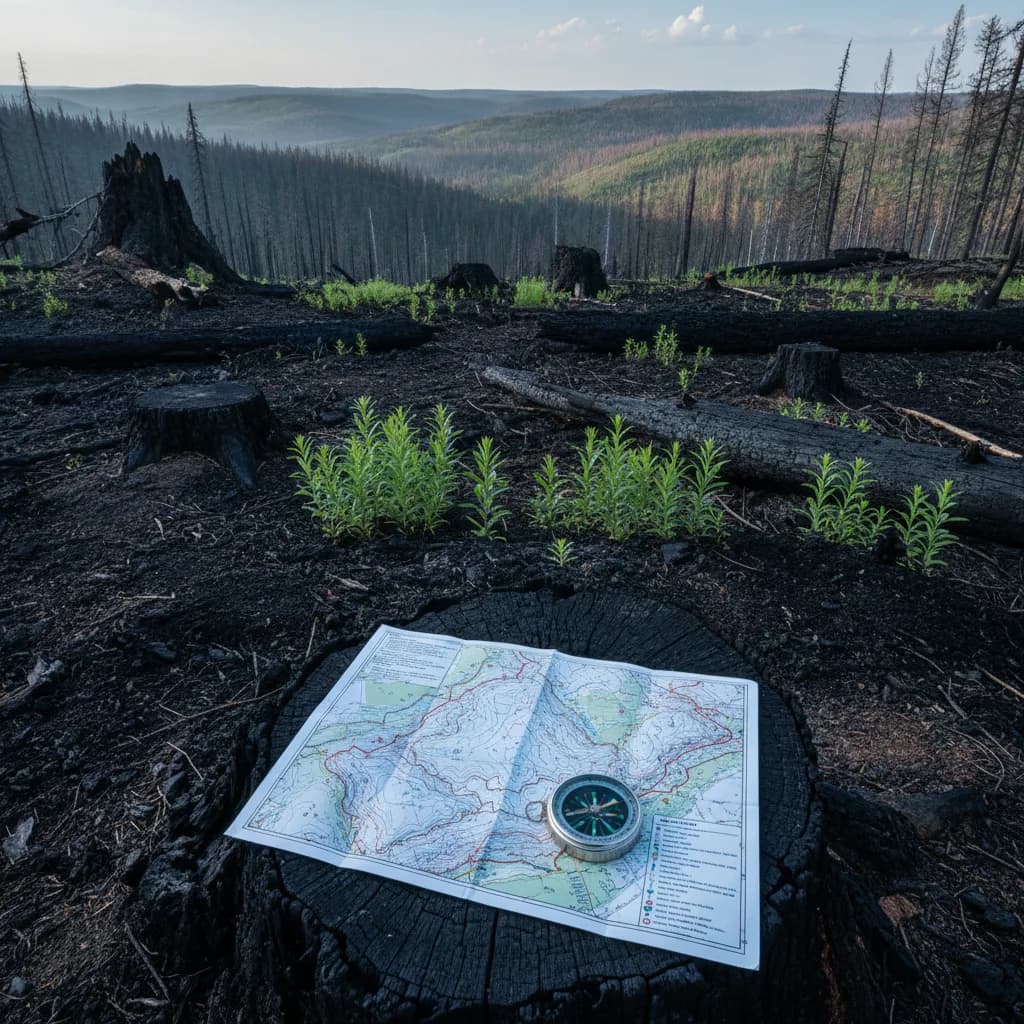
Alberta isn't the first province most people think of for mushroom foraging — Canadians tend to picture the chanterelle-rich rainforests of BC or the maple stands of Ontario. But Alberta's quiet secret is that it's one of the most productive provinces in Canada for several specific species, especially burn-year morels in the spring and boletes and pine mushrooms in the foothills come fall. Add to that an enormous boreal forest north of Edmonton, easy Crown land access, and far fewer foragers competing for the patches, and Alberta deserves a serious place on any Canadian forager's calendar.
This guide covers where you can legally forage in Alberta, what's in season month-by-month, the regional differences between the boreal north, the aspen parkland, the foothills, and the Cypress Hills — and the toxic lookalikes you need to know before harvesting anything.
Alberta Foraging Calendar
What's fruiting in Alberta — tap a month to see the species.
August in Alberta
12 species fruiting
Giant Puffball
Calvatia gigantea
Prairie fields and pasture edges. Must be pure white inside — yellow or olive interior means spore-stage and inedible.
Learn to identify on Dr. MycoTek →Hedgehog Mushroom
Hydnum repandum
Foothills and Rocky Mountain forests. Spines instead of gills — unmistakable, no deadly lookalikes. One of the safest species for new Alberta foragers.
Learn to identify on Dr. MycoTek →King Bolete (Porcini)
Boletus edulis
★ Peak season right now
Foothills and Rocky Mountain forests — spruce, fir and lodgepole pine habitats. Best after late-summer rains. Confirm against bitter bolete.
Learn to identify on Dr. MycoTek →Lobster Mushroom
Hypomyces lactifluorum
★ Peak season right now
Bright orange parasitised Russula. Less common in Alberta than BC but present in the foothills mixed forests.
Learn to identify on Dr. MycoTek →Pine Mushroom (Matsutake)
Tricholoma magnivelare
Foothills pine forests, especially west of Rocky Mountain House and Hinton. Spicy-cinnamon aroma. Commercially valuable. Confirm against deadly Amanita smithiana.
Learn to identify on Dr. MycoTek →Saffron Milk Cap
Lactarius deliciosus
Orange cap with concentric rings, bleeds orange-red latex when cut. Pine forests in the foothills and parkland. Confirm against the inedible orange Lactarius species.
Learn to identify on Dr. MycoTek →Shaggy Mane
Coprinus comatus
Lawns, gravel road edges, and disturbed soil in the parkland and prairie. Eat within hours of picking — they liquify into black ink by the next day.
Learn to identify on Dr. MycoTek →Wild Oyster Mushroom
Pleurotus ostreatus
Fruits on fallen aspen and cottonwood through the growing season. Best texture from cool fall flushes after the first rains.
Learn to identify on Dr. MycoTek →Aspen Bolete
Leccinum insigne
★ Peak season right now
Aspen parkland specialty — orange cap, black-scaled stem. Cook well; some foragers have reported mild stomach upset with undercooked specimens.
Learn to identify on Dr. MycoTek →Birch Bolete
Leccinum scabrum
★ Peak season right now
Boreal forest species — only fruits near birch. Brown cap, black-flecked stem. Mild flavour, holds shape well in soups.
Learn to identify on Dr. MycoTek →Honey Mushroom
Armillaria mellea group
Large clusters at the base of dying aspen, poplar and pine. Must be cooked very thoroughly. Confirm against the deadly Galerina marginata on the same wood.
Learn to identify on Dr. MycoTek →Slippery Jack
Suillus luteus
★ Peak season right now
Pine plantations and natural pine forests. Sticky brown cap, yellow pore surface, distinctive ring. Peel the slime layer before cooking — it can upset stomachs.
Learn to identify on Dr. MycoTek →Year at a glance
The Legal Framework: Where You Can Forage in Alberta
Alberta's land management is a bit more permissive than Ontario or BC for foraging, but you still need to know the rules.
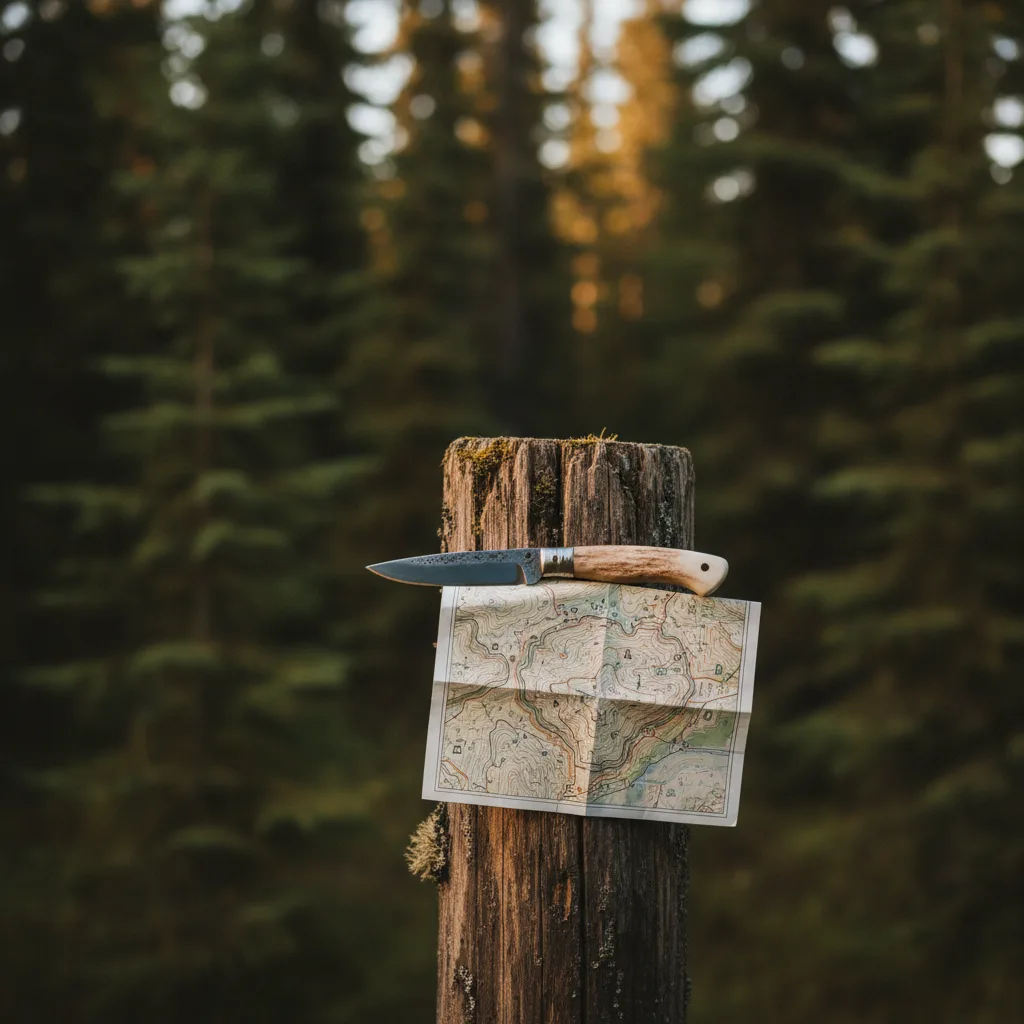
Public Land (Crown Land)
Roughly 60% of Alberta is public Crown land, administered by Alberta Environment and Protected Areas. Personal-use harvesting of non-timber forest products — including mushrooms — is generally permitted on public land without a permit.
Key rules:
- Personal use only. Commercial harvesting requires a Disposition (a formal permit) from Alberta Environment and Protected Areas. Commercial morel and pine mushroom buyers operating in Alberta need their own permits.
- Public Land Use Zones (PLUZ). Some areas of public land have specific rules around motorized access, camping, and resource use. Check the map at alberta.ca/public-land-use-zones before heading to a new area.
- Fire bans. Alberta has aggressive fire restrictions during dry summers — check current bans before you light anything (or drive an ATV through dry grass).
- Leave no trace. Pack out everything you bring in.
The best Crown land foraging is in the Green Zone (the forested public land covering most of central and northern Alberta) and the foothills west of Calgary, Sundre, and Hinton.
Provincial Parks and Recreation Areas
Alberta Parks generally prohibits the removal of mushrooms, plants, rocks, or any other natural object from provincial parks and ecological reserves. This includes well-known parks like William Watson Lodge, Cypress Hills Provincial Park, and Wabamun Lake Provincial Park.
However, Provincial Recreation Areas and Public Land Use Zones generally do permit foraging. Always check the specific designation of the land you're visiting — Alberta has many "Provincial Recreation Areas" that allow foraging, distinct from "Provincial Parks" that don't.
National Parks
Parks Canada strictly prohibits the collection of any natural objects in national parks. That means no foraging in Banff, Jasper, Waterton Lakes, Elk Island, or Wood Buffalo. Many beautiful spots — Lake Louise, Moraine Lake, the Icefields Parkway — are off-limits for foraging. Stick to Crown land outside the park boundaries.
Private Land
You need explicit permission from the landowner. Period. Foraging on private property without permission is trespassing under Alberta's Petty Trespass Act.
Treaty Lands and First Nations Territory
Alberta is covered by Treaties 6, 7, and 8. Many of the best foraging areas overlap traditional First Nations territory. Be aware of and respect Indigenous harvesting rights and protocols. If you're on a reserve, you need permission from the band council — never assume access.
Alberta's Four Foraging Regions
Alberta's geography splits cleanly into four foraging zones, each with its own specialties.
The Boreal North
Everything north of Edmonton — from Whitecourt and Athabasca up through Lac La Biche, Slave Lake, Fort McMurray, and into the Peace Country. This is mixed-wood boreal forest: black spruce, white spruce, jack pine, aspen, and birch. Crown land is enormous, populations are sparse, and the foraging pressure is low.
Best species: Birch boletes, slippery jacks, honey mushrooms, wild oysters on aspen, and most importantly — chaga on birch (Alberta's boreal forest may have the highest chaga density in Canada). The spring after a major wildfire, this region produces some of the most productive black morel crops in North America. The Slave Lake (2011), Fort McMurray (2016), and Chuckegg Creek (2019) burns each produced legendary morel seasons.
Aspen Parkland (Central Belt)
The transition zone between boreal forest and prairie, running roughly from Edmonton south to Red Deer and east toward Lloydminster. Aspen, balsam poplar, willow, and occasional white spruce dominate. Lots of small Crown land parcels mixed with farmland — access can be patchy.
Best species: Aspen boletes (Leccinum insigne) — the parkland's signature mushroom — plus wild oysters, dryad's saddle, shaggy manes, and giant puffballs in field edges. Spring yellow morels in cottonwood bottoms along the North Saskatchewan and Battle rivers.
Foothills and Rocky Mountains
From Crowsnest Pass through Kananaskis, Sundre, Rocky Mountain House, Nordegg, Hinton, and Grande Cache. Lodgepole pine, white spruce, Douglas fir, and subalpine fir. This is where Alberta's most prized mountain species live.
Best species: Pine mushrooms (matsutake), king boletes (porcini), saffron milk caps, hedgehog mushrooms, and excellent lobster mushrooms in mixed forest stands. Coleman, Crowsnest Pass, and the country west of Sundre are particularly productive.
The South — Cypress Hills, Prairie Pothole Country
The dry south is generally poor mushroom country compared to the rest of the province, but Cypress Hills Interprovincial Park (foraging prohibited inside the park, permitted in surrounding Crown land) and shelterbelts around Medicine Hat, Brooks, and Lethbridge produce shaggy manes and giant puffballs in good years. The prairie around Drumheller has occasional morel flushes in cottonwood-lined creek bottoms.
Species by Season
Spring (May - June)
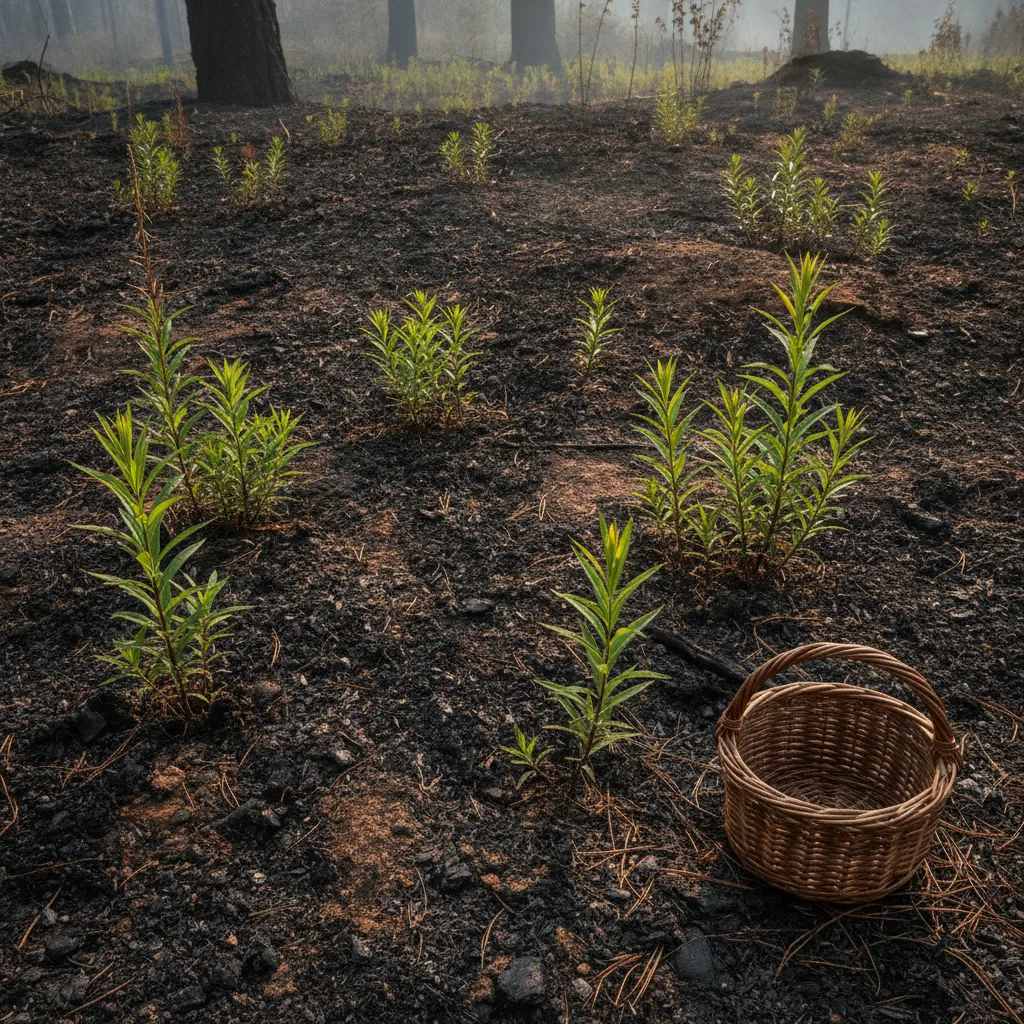
Alberta's foraging season opens with morels — and in burn years, opens with a lot of morels.
Black Morels (Morchella angusticeps) — The big spring prize. Natural black morels appear in mixed-wood forests, often around aspen and spruce. But the bonanza happens the spring after a major wildfire — burn morels can carpet the ground in commercial quantities. Check the Alberta Wildfire dashboard from the previous summer to find promising burn zones. The best burns are typically 1–2 years post-fire, in areas with mineral soil exposure and surviving conifer canopy.
Yellow Morels (Morchella esculenta) — Less common in Alberta than blacks. Found in aspen and cottonwood riparian areas in the parkland belt, especially the North Saskatchewan and Battle river valleys.
Dryad's Saddle / Pheasant Back (Cerioporus squamosus) — Large polypore on dead aspen and poplar stumps. May and early June only — tough and woody by July.
Wild Oyster Mushrooms (Pleurotus ostreatus) — First spring flushes on fallen aspen and cottonwood. Light texture, mild flavour. If you enjoy them wild, you can grow them at home year-round with a grow kit or grain spawn.
Summer (July - August)
Aspen Bolete (Leccinum insigne) — Orange-capped, black-scaled-stemmed bolete that only fruits near aspen. Common throughout the parkland belt. Cook well — undercooked specimens have caused mild stomach upset.
Birch Bolete (Leccinum scabrum) — Boreal species that only fruits near birch. Brown cap, dark-flecked stem. Mild flavour, holds shape well.
King Bolete (Porcini) (Boletus edulis) — Foothills and Rocky Mountain forests, especially in lodgepole pine and spruce zones. Best after late-summer rains. Confirm against the bitter bolete (Tylopilus felleus) by tasting a tiny sliver — the bitter bolete is unmistakable.
Slippery Jack (Suillus luteus) — Pine plantations and natural pine stands. Sticky brown cap, distinctive ring on the stem. Peel the slime layer before cooking.
Lobster Mushroom (Hypomyces lactifluorum) — Less common in Alberta than BC, but found in foothills mixed forests in good years.
Fall (September - October)
This is the busy season — most of Alberta's mushroom diversity peaks in September.
Saffron Milk Cap (Lactarius deliciosus) — Orange cap with concentric rings, bleeds orange-red latex when cut. Pine forests in the foothills and parkland. The traditional Eastern European wild mushroom — many Albertan foragers with Polish, Ukrainian or Slovak heritage know this species cold.
Pine Mushrooms (Tricholoma magnivelare) — The Alberta pine mushroom (sometimes called the American matsutake) fruits in foothills pine forests from September into October. Spicy-cinnamon aroma is distinctive. Commercially harvested west of Hinton and Rocky Mountain House. Confirm against the deadly Amanita smithiana — never harvest a "white mushroom in pine forest" without verifying it's a true matsutake.
Hedgehog Mushroom (Hydnum repandum) — Foothills and Rocky Mountain mixed forests. Spines, not gills, on the underside. No deadly lookalikes. One of the safest species for new Alberta foragers.
Honey Mushrooms (Armillaria mellea group) — Big clusters at the base of dying aspen, poplar, and pine. Must be cooked very thoroughly — and confirm against the deadly Galerina marginata, which colonises the same dead wood and has caused fatalities across western Canada.
Shaggy Mane (Coprinus comatus) — Lawns, gravel road edges, and disturbed soil throughout the parkland and prairie. White cylindrical caps that dissolve into black ink within 24 hours of picking — eat them the same day.
Giant Puffball (Calvatia gigantea) — Big white balls in pasture and field edges, especially in the parkland and dry south. Must be pure white inside — yellow or olive interior means spore stage and inedible.
Winter and Year-Round
Chaga (Inonotus obliquus) — Alberta's boreal birch stands hold massive populations of chaga. It's a sterile fungal conk that grows on living birch trees, producing a dense black-charcoal-looking mass. Available year-round but easiest to spot after leaf-fall in October and through the winter. Harvest carefully — never take more than a third of any single conk, never harvest chaga smaller than a fist, and never harvest from sick or recently downed trees.
Toxic Look-alikes Every Alberta Forager Must Know
The four species below have killed people in western Canada or caused serious hospitalisations. Memorise their features.
False Morel (Gyromitra esculenta) — Brain-like (not honeycomb) cap, solid or chambered interior (true morels are completely hollow). Contains gyromitrin, which the body converts to a chemical similar to rocket fuel. Some old-school foragers eat them after special preparation — there is no safe home preparation. Do not eat false morels.
Destroying Angel (Amanita bisporigera and A. virosa) — All-white mushrooms with a cup-like volva at the base of the stem and a ring on the upper stem. White spore print. Found in mixed forests across central and northern Alberta. Causes irreversible liver failure. Learn Amanita features (white spore print + free gills + ring + volva) and avoid any mushroom that has all four.
Galerina marginata — Small brown mushroom that grows in clusters on dead wood, often on the same logs where honey mushrooms appear. Contains the same amatoxins as the destroying angel. Has killed people who confused it with honey mushrooms or with non-toxic Psilocybe species. Never eat any small brown mushroom on dead wood without expert confirmation.
Smith's Amanita (Amanita smithiana) — White-to-pale-tan mushroom in pine forests, sometimes confused with the pine mushroom (matsutake). Causes severe kidney failure. The matsutake has a distinctive spicy-cinnamon aroma and a thick, scaly stem; Amanita smithiana smells faintly chlorine-like and has a smoother stem.
Community and Resources
Alberta has a strong, friendly foraging community. Getting connected is the fastest way to learn safely.
Mycological Societies
- Alberta Mycological Society (AMS) — Edmonton-based, runs forays throughout the growing season and hosts the annual fall mushroom show. The largest mycological society in the province.
- Calgary Mycological Society — Active group running forays in the foothills, Kananaskis, and west of Calgary. Annual fall foray weekend.
Online Communities
- Alberta Mushroom Foragers (Facebook) — Active group, several thousand members, good for ID help and finding foray partners.
- iNaturalist — Excellent for recording your finds and getting community ID. The Alberta-specific observation feed is especially helpful for tracking what's currently fruiting in your area.
- Mushroom Observer — More specialised than iNaturalist, with strong participation from western Canadian mycologists.
Sustainable Foraging in Alberta
Alberta's mushroom populations are less pressured than BC's or Ontario's, but the basics apply everywhere.
- Take only what you'll use. A great morel flush is exciting, but harvesting more than you'll eat or dry is wasteful.
- Leave a third behind. Never take more than one-third of any patch you find. The remaining mushrooms drop spores and feed the forest ecosystem.
- Don't rake the duff. Disturbing the forest floor damages the mycelial network that produces next year's flush. Pick what you can see; don't dig.
- Cut, don't pull. A clean knife cut at the base disturbs less mycelium than yanking.
- Vary your spots. Don't return to the same patch every week within a season. Give mycelium time to produce new fruit bodies.
- Stay out of closed areas. If the Alberta Wildfire dashboard shows active fire or a fire ban prohibits forest access, stay out.
Getting Started in Alberta
If you're new to foraging here, this is the practical path:
- Join the Alberta Mycological Society or Calgary Mycological Society. Going on one foray with experienced identifiers will teach you more than a year of reading.
- Start with the foolproof species. Morels (with the false-morel feature memorised), shaggy manes, giant puffballs, and hedgehog mushrooms are distinctive and have no deadly lookalikes.
- Get the regional field guide. Mushrooms of Western Canada by Helene Schalkwijk-Barendsen is the classic Alberta reference. Mushrooms Demystified by David Arora is the heavier general reference.
- Use the iNaturalist Alberta feed to see what's currently fruiting before each trip.
- Don't eat anything you haven't verified with multiple sources. Field guide + iNaturalist confirmation + an experienced friend or club identifier — three independent confirmations before the first bite of any new species.
If the off-season has you missing fresh mushrooms, you can grow gourmet species year-round at home in Alberta's dry, controlled indoor conditions. Browse our grow kits, grain spawn, and growing supplies. And if you're planning a foraging trip outside the province, check out our British Columbia and Ontario guides.