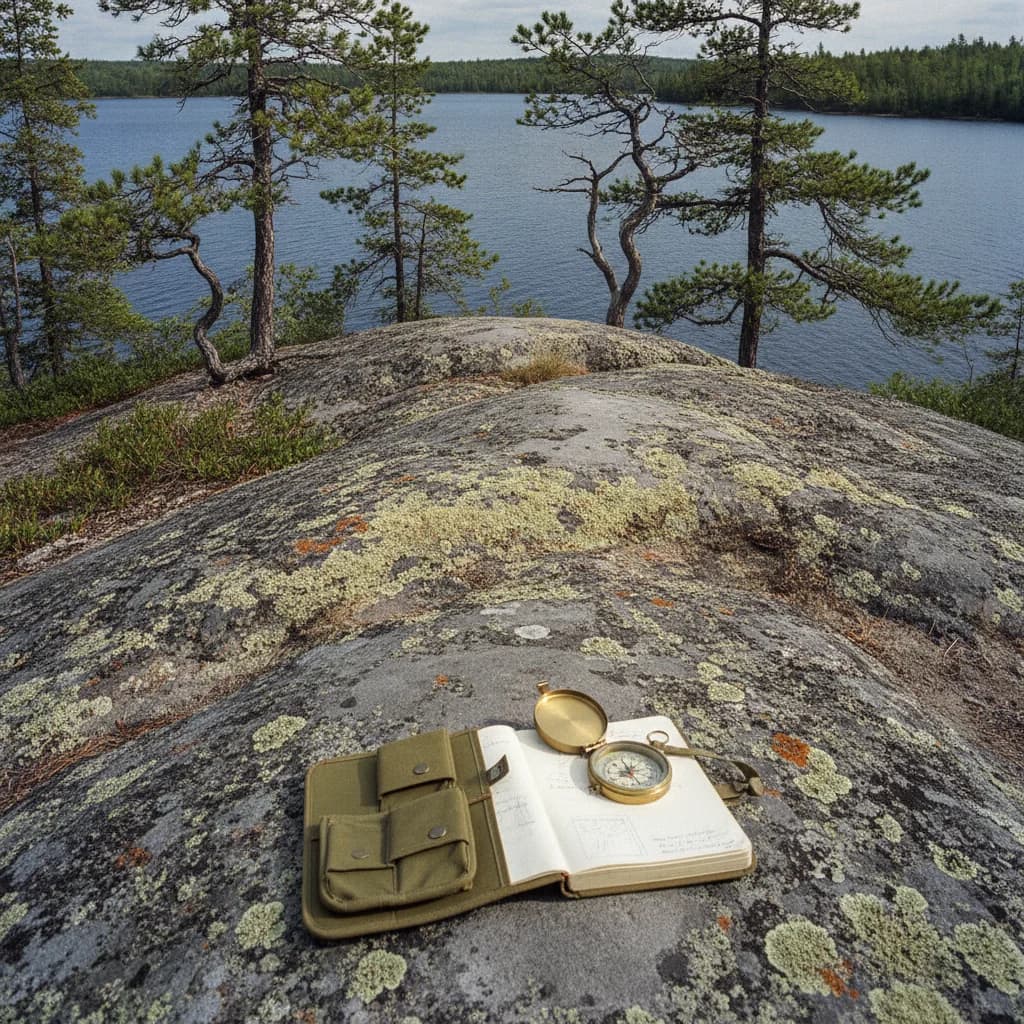
Manitoba is the most ecologically varied of the prairie provinces for mushroom foraging. It has the same boreal forest as Saskatchewan in the north, but it also has something neither Alberta nor Saskatchewan have at scale: sandy pine forests in the east (Whiteshell, Nopiming, Lac du Bonnet) and oak country in the south (the Pembina Valley and Red River corridor). The result is a species list that includes western boreal species AND eastern Carolinian-edge species like hen of the woods and chicken of the woods on oak — a foraging combination you can't get anywhere else in western Canada.
This guide covers where you can legally forage in Manitoba, what's in season, the four distinct foraging regions, and the toxic lookalikes to know.
Manitoba Foraging Calendar
What's fruiting in Manitoba — tap a month to see the species.
August in Manitoba
12 species fruiting
Chicken of the Woods
Laetiporus sulphureus
★ Peak season right now
Southern Manitoba hardwoods — oak in the Pembina Valley and aspen/maple along the Red River. Young, soft edges only; older specimens turn woody.
Learn to identify on Dr. MycoTek →Giant Puffball
Calvatia gigantea
Pasture and field edges throughout the parkland and south. Must be pure white inside — yellow or olive means it's past edible.
Learn to identify on Dr. MycoTek →Hedgehog Mushroom
Hydnum repandum
Mixed forests across the boreal and parkland. Spines instead of gills — no deadly lookalikes. Safest species for new Manitoba foragers.
Learn to identify on Dr. MycoTek →King Bolete (Porcini)
Boletus edulis
★ Peak season right now
Spruce and pine forests in the boreal north and eastern Manitoba pine country (Whiteshell, Nopiming). Spongy pores, never gills.
Learn to identify on Dr. MycoTek →Lion's Mane
Hericium erinaceus
White waterfall-shaped fruit on living and dead hardwood. Aspen, oak, and maple. No deadly lookalikes — one of the easiest species to identify safely.
Learn to identify on Dr. MycoTek →Saffron Milk Cap
Lactarius deliciosus
Orange cap, bleeds orange-red latex. Pine forests in the boreal and eastern Manitoba. Eastern European immigrant communities keep this species' tradition alive.
Learn to identify on Dr. MycoTek →Shaggy Mane
Coprinus comatus
Lawns, gravel road edges, disturbed soil. Pick early in the morning and eat the same day — they liquify into black ink within hours.
Learn to identify on Dr. MycoTek →Wild Oyster Mushroom
Pleurotus ostreatus
Fallen aspen, elm, and cottonwood throughout the season. Best texture from cool fall flushes.
Learn to identify on Dr. MycoTek →Aspen Bolete
Leccinum insigne
★ Peak season right now
Parkland aspen stands — Riding Mountain and Duck Mountain are particularly productive. Cook well.
Learn to identify on Dr. MycoTek →Birch Bolete
Leccinum scabrum
★ Peak season right now
Only fruits near birch. Abundant in Manitoba's boreal forest. Mild flavour, holds up in soups.
Learn to identify on Dr. MycoTek →Honey Mushroom
Armillaria mellea group
Clusters at the base of dying aspen and oak. Must be cooked very thoroughly. Confirm against the deadly Galerina marginata on the same wood.
Learn to identify on Dr. MycoTek →Slippery Jack
Suillus luteus
★ Peak season right now
Pine forests, especially the jack pine country in eastern Manitoba — Whiteshell, Nopiming, Lac du Bonnet. Peel the slime layer before cooking.
Learn to identify on Dr. MycoTek →Year at a glance
The Legal Framework
Crown Land
Manitoba has extensive provincial Crown land, particularly in the boreal forest north and eastern Manitoba's pine country. Personal-use harvesting of non-timber forest products — including mushrooms — is generally permitted on Crown land without a permit.
Key rules:
- Personal use does not require a permit. Commercial harvesting requires a permit issued by Manitoba Conservation and Climate.
- Forest management licences cover much of the boreal Crown land. Foraging is generally compatible but watch for active logging operations.
- Leave no trace.
Provincial Parks
Manitoba Parks rules vary by park. Many provincial parks (including Whiteshell, Nopiming, and Duck Mountain) allow personal-use foraging — distinct from the stricter rules in Ontario, Alberta, or BC provincial parks. However, the rules can change and some specific zones within parks are protected. Check with Manitoba Parks before foraging in any specific park.
Where to confirm: the Manitoba Parks office in the park you're visiting, or the regional Conservation office.
National Parks
Riding Mountain National Park and Wapusk National Park strictly prohibit foraging. Stay outside park boundaries.
Private Land
Permission required. Manitoba's Petty Trespasses Act applies.
Treaty Lands and First Nations Territory
Manitoba is covered by Treaties 1, 2, 3, 4, 5, 6, and 10. Respect Indigenous harvesting rights and protocols. If you're on a reserve, you need permission from the band council.
Four Foraging Regions
Boreal North
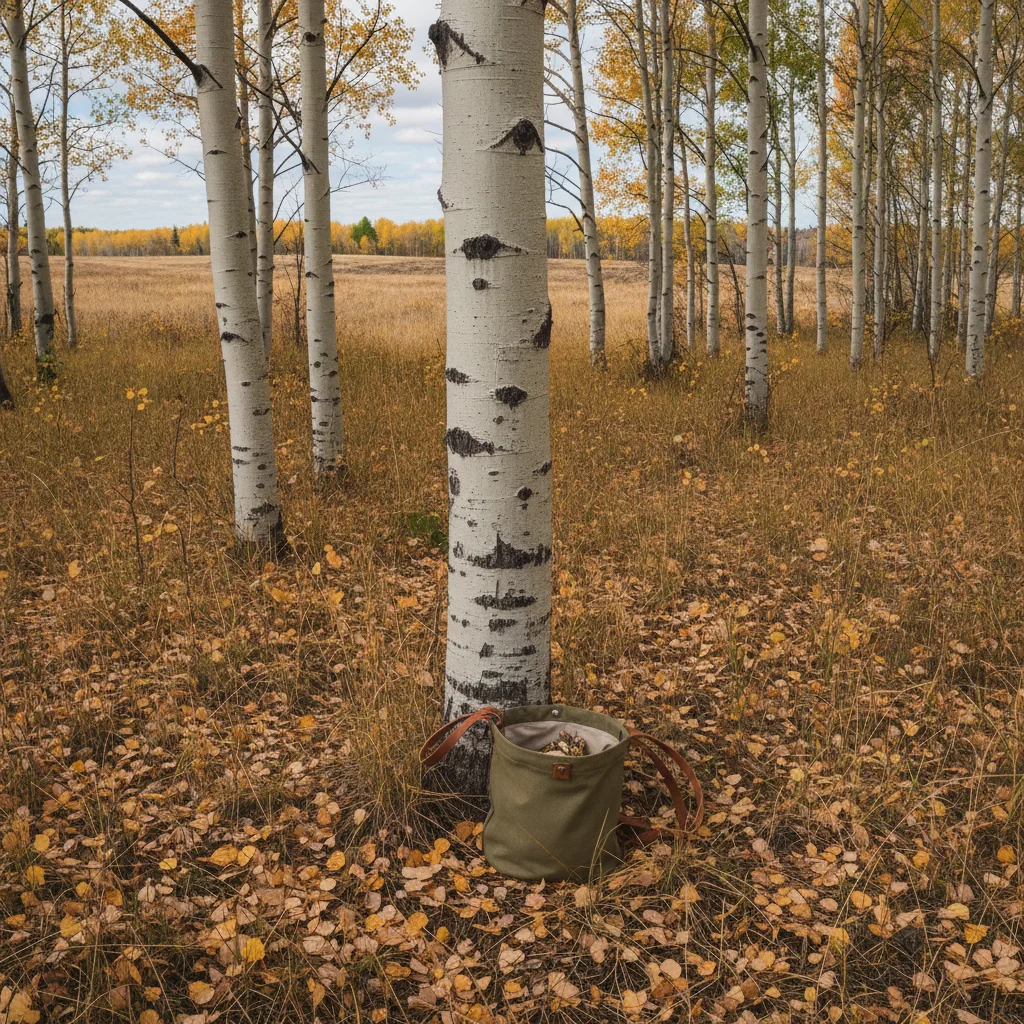
Everything north of roughly The Pas and Flin Flon — black spruce, white spruce, jack pine, aspen, birch. Massive Crown land tracts, low population, low foraging pressure. Wildfire burn areas produce huge morel flushes in the year after a fire.
Key areas: Crown land around The Pas, Flin Flon, Thompson, Snow Lake, and the country north of Highway 6.
Best species: Black morels (especially burn years), birch boletes, king boletes, slippery jack, saffron milk caps, honey mushrooms, hedgehogs, and abundant chaga on the boreal birch.
Eastern Manitoba — The Pine Country
The sandy pine forests of eastern Manitoba — Whiteshell, Nopiming, Lac du Bonnet, the country east of Pinawa — are unique in the prairie provinces. Jack pine, white pine, and red pine grow on sandy outwash plains. This habitat produces species you won't find in the parkland or boreal mixed-wood.
Key areas: Whiteshell Provincial Park (check rules), Nopiming Provincial Park, Crown land east of Pinawa, the Manigotagan area.
Best species: Slippery jack and other Suillus species, saffron milk caps, king boletes, and the year-round chaga on the occasional birch in the pine zone. Pine plantations around Lac du Bonnet can be productive.
Western Parkland (Riding Mountain, Duck Mountain)
Aspen, balsam poplar, white spruce on the elevated parkland of western Manitoba. Riding Mountain and Duck Mountain rise above the prairie — different ecology, different species mix.
Key areas: Crown land around Duck Mountain Provincial Park (foraging permitted in the park; check current rules), Crown land surrounding Riding Mountain National Park (foraging prohibited inside the national park, permitted on adjacent Crown land), and the Porcupine Hills area.
Best species: Aspen boletes, wild oysters, dryad's saddle, hedgehogs, honey mushrooms, shaggy manes in clearings.
Southern Manitoba — Oak and Floodplain Country
The southern third of Manitoba — Pembina Valley, Red River corridor, southeastern Manitoba near the Minnesota border — has bur oak, red oak, basswood, elm, and ash. This is the western edge of the Carolinian forest, and it produces eastern species you won't find further west.
Key areas: Pembina Valley, the Red River south of Winnipeg, Spruce Woods, and the Sandilands forest east of Steinbach.
Best species: Hen of the woods (maitake) on oak, chicken of the woods on hardwoods, lion's mane on aspen and oak, yellow morels in cottonwood bottoms, oysters, dryad's saddle.
Species by Season
Spring (May - June)
Black Morels (Morchella angusticeps) — Mixed-wood boreal forests, peak in wildfire burn areas the year after a fire. Check the Manitoba Wildfire Service for promising burn zones.
Yellow Morels (Morchella esculenta) — Aspen, cottonwood, and elm riparian areas. The Pembina Valley and Red River floodplain hold the best populations in the province.
Dryad's Saddle (Cerioporus squamosus) — Polypore on dead hardwood. Young, tender only.
Wild Oyster Mushrooms (Pleurotus ostreatus) — On fallen aspen, elm, and cottonwood from spring onward. Best texture in fall. If you can't get to the bush, you can grow oysters year-round at home with a grow kit or grain spawn.
Summer (July - August)
Aspen Bolete (Leccinum insigne) — Parkland aspen stands. Cook well.
Birch Bolete (Leccinum scabrum) — Boreal birch country. Mild, holds shape in soups.
King Bolete (Porcini) (Boletus edulis) — Boreal spruce and eastern Manitoba pine forests. Confirm against bitter bolete.
Slippery Jack (Suillus luteus) — Pine forests, especially the eastern Manitoba pine country. Peel the slime layer before cooking.
Chicken of the Woods (Laetiporus sulphureus) — Bright orange shelves on southern Manitoba hardwoods, particularly oak and aspen. Young, soft edges only.
Fall (September - November)
This is Manitoba's busiest mushroom season.
Saffron Milk Cap (Lactarius deliciosus) — Pine forests in the boreal and eastern Manitoba.
Hedgehog Mushroom (Hydnum repandum) — Mixed forests through the boreal and parkland. Spines, not gills — no deadly lookalikes.
Hen of the Woods / Maitake (Grifola frondosa) — Southern Manitoba oak country. The Pembina Valley and Red River south of Winnipeg are the western edge of this species' range. Returns to the same oak year after year.
Lion's Mane (Hericium erinaceus) — On aspen, oak, and maple. Distinctive waterfall-shaped fruit, no deadly lookalikes.
Honey Mushrooms (Armillaria group) — Clusters on dying hardwoods. Cook thoroughly. Confirm against the deadly Galerina marginata.
Shaggy Mane (Coprinus comatus) — Lawns, gravel road edges, disturbed soil. Eat the same day you pick.
Giant Puffball (Calvatia gigantea) — Pasture and field edges. Pure white inside is essential.
Winter and Year-Round
Chaga (Inonotus obliquus) — Manitoba's boreal birch country holds excellent chaga populations. Easiest spotting after leaf-fall. Harvest carefully and sparingly.
Toxic Look-alikes Every Manitoba Forager Must Know
False Morel (Gyromitra esculenta) — Brain-like cap (not honeycomb), solid or chambered (true morels are completely hollow). Contains gyromitrin — there is no safe home preparation. Don't eat false morels.
Destroying Angel (Amanita bisporigera) — All-white mushroom with a cup-like volva and a ring on the stem. Found in mixed Manitoba forests. Causes irreversible liver failure.
Galerina marginata — Small brown mushroom in clusters on dead wood. Same amatoxins as destroying angel. Often growing alongside honey mushrooms — extremely dangerous confusion.
Jack-O'-Lantern (Omphalotus illudens) — Orange mushroom in dense clusters on wood in southern Manitoba. Sometimes confused with chicken of the woods or chanterelles. Has true gills (not pores or false gills), grows from wood, and glows faintly in the dark. Causes severe gastrointestinal distress.
Community and Resources
- Manitoba Mycological Society — Winnipeg-based, runs forays and identification workshops throughout the season.
- iNaturalist — Excellent for recording finds and getting community ID. The Manitoba feed shows current activity.
- Mushroom Observer — Specialised mushroom platform with strong Canadian participation.
Sustainable Foraging in Manitoba
- Take only what you'll use.
- Leave a third behind so patches keep producing.
- Don't rake the duff — disturbs the mycelium that produces next year's flush.
- Cut, don't pull.
- Vary your spots within a season.
Getting Started in Manitoba
- Connect with the Manitoba Mycological Society — one foray with experienced identifiers will teach you more than reading alone.
- Start with foolproof species — shaggy manes, giant puffballs, hedgehogs, and morels (with the false-morel feature locked in).
- Get the regional field guide. For the boreal/parkland species, Mushrooms of Western Canada (Schalkwijk-Barendsen) is the standard. For the eastern/Carolinian-edge species in southern Manitoba, Mushrooms of Northeast North America by George Barron is the best reference.
- Use iNaturalist's Manitoba feed before each trip to see what's currently fruiting.
- Three independent confirmations before eating any new species.
If the off-season has you missing fresh mushrooms, you can grow gourmet species year-round at home — Manitoba winters are long but indoor cultivation runs 12 months. Browse our grow kits, grain spawn, and growing supplies. And see our companion guides for Saskatchewan, Alberta, and Ontario for trips elsewhere in Canada.